
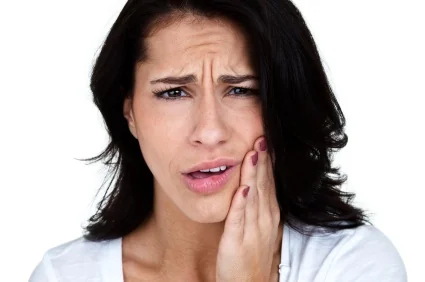
 What happens if TMJ disorder goes untreated? Over time, it gradually wears down, cracks, and loosens teeth while straining the jaw joint and surrounding muscles.
That dull ache in your jaw isn’t just annoying. It could be quietly wearing down your teeth while you sleep. Untreated TMJ disorder (TMD) does more than cause headaches—it can lead to lasting, expensive dental damage. Aspen Ridge Dental treats TMJ disorder for patients throughout Casper and Douglas, Wyoming, where Dr. Stuart Youmans, Dr. Nick White, and Dr. Benjamin Emery help patients stop TMJ damage before it spreads. Here’s what untreated TMJ can do to your teeth, and how to stop it.
How Does TMJ Disorder Damage Your Teeth?
The temporomandibular joints connect your jaw to your skull, working alongside muscles and ligaments to control chewing and speech. When one of these joints is disrupted, it creates uneven pressure across your teeth. This damage builds slowly, so it’s easy to miss until it becomes advanced.
Why Do TMJ Sufferers Develop Worn and Flattened Teeth?
Constant grinding and clenching, known as bruxism, wears away enamel over time. Watch for shortened, flat, or uneven teeth and a smile that looks different than it used to. Once enamel is gone, it cannot grow back.
Can TMJ Cause Cracked or Fractured Teeth?
Repeated excessive force creates tiny fractures that widen with time. Sharp pain when biting, sudden chips, and visible cracks are common warning signs. Left untreated, these cracks can lead to infection or require a crown or root canal.
Why Does TMJ Cause Tooth Sensitivity?
Worn enamel exposes the sensitive dentin layer beneath it, causing pain with hot, cold, or sweet foods. This sensitivity is often an early signal of TMD that shouldn’t be ignored.
Can TMJ Loosen Teeth or Harm Your Gums?
Constant pressure strains the tissue and bone supporting your teeth. Loose teeth, gum recession, and tenderness can all follow, raising your long-term risk of tooth loss.
How Does TMJ Affect Your Bite?
Joint problems and tooth wear can shift how your teeth meet, leaving your bite feeling “off” or making chewing difficult. A misaligned bite can worsen TMD, creating a damaging cycle.
What Happens to the Jaw Joint Itself?
Inflammation, clicking, popping, and limited jaw movement signal joint strain. Over time, this can cause chronic pain, along with headaches, neck and shoulder pain, and ringing in the ears.
What Causes TMJ Damage to Progress?
Bruxism, stress, injury, arthritis, bite problems, and poor posture can all drive TMD forward. A comprehensive evaluation is needed to find the underlying cause before damage worsens.
How Does Aspen Ridge Dental Stop TMJ Damage?
Treatment starts with an accurate diagnosis. A custom TMJ mouthguard protects the upper teeth, helps reposition the lower jaw, and relaxes jaw muscles. It’s small, portable, easy to clean, and highly effective. Depending on your needs, Dr. Youmans, Dr. White, or Dr. Emery may also recommend TMJ massage, targeted exercises, bite adjustments, or, in rare cases, surgery. Existing damage can be repaired with restorative care.
What Can You Do to Protect Your Teeth at Home?
Manage stress through relaxation techniques or meditation, limit alcohol, caffeine, and nicotine, and wear a dentist-prescribed mouthguard at night.
Don’t Wait for Permanent Dental Damage
Early TMJ treatment is simpler, more comfortable, and more affordable than repairing advanced damage. Schedule a TMJ evaluation at Aspen Ridge Dental in Casper today. Patients from Casper, Douglas, and surrounding areas are welcome, and Dr. Youmans, Dr. White, and Dr. Emery are ready to help.
Contact Aspen Ridge Dental:
307-234-6054
Location (Tap to open in Google Maps):
1122 S Conwell St
Casper, Wyoming
82601